Landscaping Service in Shakopee MN: Landscaping That Lasts
A yard can look great for a month and still be the wrong fit for Shakopee, Minnesota. The real test is what happens after freeze-thaw cycles, wet springs, hot stretches that stress turf, and winters that test everything you thought was “good enough.” If you want landscaping that lasts, you need more than pretty plants or a one-time cleanup. You need design choices that make sense for the site, installation done at the right depth and spacing, and maintenance that matches how your property actually behaves.
I’ve seen the pattern over and over: homeowners invest in curb appeal, then the same problems show up year after year. Bare spots where nothing will root. Shrubs that never fill in because they were planted too shallow or in the wrong light. Edging that becomes a constant weed highway. Lawns that look fine early in the season and then thin out by mid-summer. When the root cause is the installation and the plan, no amount of mowing or fertilizer can fully fix it.
A landscaping service in Shakopee MN should work like a long-term partner, not a seasonal vendor. Below is what that looks like in real life, from lawn care Shakopee homeowners ask about most to landscape edging Shakopee MN properties need to stay crisp.
What “landscaping that lasts” really means in Shakopee
Long-lasting landscaping isn’t about resisting change. It’s about anticipating it. Minnesota weather forces movement in soil, moisture, and plant growth, and that movement exposes weak spots fast. Good landscaping anticipates those weak spots up front.
On many Shakopee properties, the challenges are practical:
- Water shifts after storms, then sits in low areas or runs hard toward downspouts.
- Soil can be heavy enough to hold moisture longer than expected, especially when compaction has happened over the years.
- Winters can create heaving or drying effects, particularly for plants that were put in with minimal soil contact or improper spacing.
- Sun and shade don’t behave like the brochure photos. A tree line, a fence, and the angle of morning sun matter more than people realize.
When a landscape is designed for those realities, it becomes easier to maintain. When it isn’t, maintenance turns into damage control.
That’s why a quality landscaping design installation Shakopee approach starts with site conditions before choosing plants, edging, or hardscape. You can tell the difference in how the yard holds up during the year, not just at planting time.
The site visit: where the “right plan” is actually decided
The best installations begin with a walkthrough that feels more like problem solving than decoration. When I’m assessing a property, I’m looking at drainage, soil condition, slope, how water moves after rainfall, and how people actually use the yard. A front walkway that gets walked daily needs different decisions than an ornamental corner that rarely sees foot traffic.
Light is another big factor. People often describe areas as “mostly sunny,” but sun patterns in a yard can be misleading. Morning sun matters for some plants. Afternoon heat matters for others. Shade can shift as trees grow and as seasonal angles change.
Then there’s the edge condition, literally. Landscape edging Shakopee MN properties need is not one-size-fits-all. If the edging line is too shallow, it fails. If it’s installed without thinking about how mulch and turf expand and contract, it loosens and creates gaps where weeds slip in.
A lasting design also respects existing structure. If you have a mature tree that casts irregular shade, you plan around it. If you have overhead lines, you plan for Landscaping service JCJ Landscaping and Snow Removal mature height. If you have underground utilities or sprinkler heads, you plan installation locations accordingly. Those details influence everything else: planting layout, grading, and how irrigation, if you have it, actually functions.
Design and layout choices that reduce maintenance
Landscaping that lasts is often less dramatic and more intentional. The goal is fewer recurring issues and better “self-management,” where plants and materials do their job with less constant intervention.
Here are the layout decisions that tend to pay off:
- Group plants by needs, not by appearance. When plants share similar water and sun requirements, you reduce guesswork.
- Use layering thoughtfully. A common mistake is filling every space with similar height plants. Layered structure creates a yard that looks full without constant replanting.
- Create defined zones with clear transitions. Turf is turf, beds are beds, and walkways should have clean edges. When those zones are blurry, you get creeping weeds and messy lines.
If you’ve ever had mulch beds that seem to “creep” into lawn territory, it’s rarely just mulch. It’s usually an edging detail that wasn’t installed deep enough, or grading that encourages mulch movement. The result is that you end up trimming and touching up constantly, even when you’re trying to stay on top of things.
Lawn care Shakopee: building a turf plan that holds up
A healthy lawn can be the backbone of your landscaping. But in Minnesota, lawns are only “easy” when they’re set up correctly and maintained consistently.
When people look at lawn mowing service Shakopee options, they often start with frequency and convenience. That matters, but what really determines how the lawn responds is the lawn’s baseline health and the conditions that mowing exposes.
Here’s what I pay attention to:
- Mowing height and mowing patterns. If the mower cuts too low, stress shows quickly, especially when summer heat hits. If you mow the same direction repeatedly, you can also encourage uneven growth patterns.
- Soil compaction. Heavy foot traffic and repeated equipment passes can compress soil over time. Compaction reduces rooting depth, which makes drought stress worse.
- Patch areas and overseeding timing. Over-seeding isn’t just about dropping seed. It’s about preparing the soil so seed contacts earth and can germinate in the conditions that season provides.
- Watering practices. Too much water can be as damaging as too little, especially in areas that stay damp longer due to soil type or drainage.
A dependable mowing schedule can keep the yard looking sharp, but the longer-term wins come from pairing mowing with smart turf management. When a lawn is thin or uneven, mowing alone will not fix it. That’s where a broader landscaping service can coordinate lawn care and bed work so the yard improves in layers.
If you’ve been dealing with the same bare spots for years, it’s worth stepping back. Sometimes the “seed problem” is really a drainage or sunlight problem. Sometimes it’s a mowing habit that kept a new lawn from establishing. Sometimes it’s that the original sod or seed was placed on soil that wasn’t prepared well enough for rooting.
Landscape edging Shakopee MN: the unsung hero of clean curb appeal
Edging is one of those details that people notice when it’s missing, and then forget about when it’s done well. The best edging is functional. It keeps mulch in place, holds a crisp line between beds and lawn, reduces weed intrusion, and makes maintenance quicker.
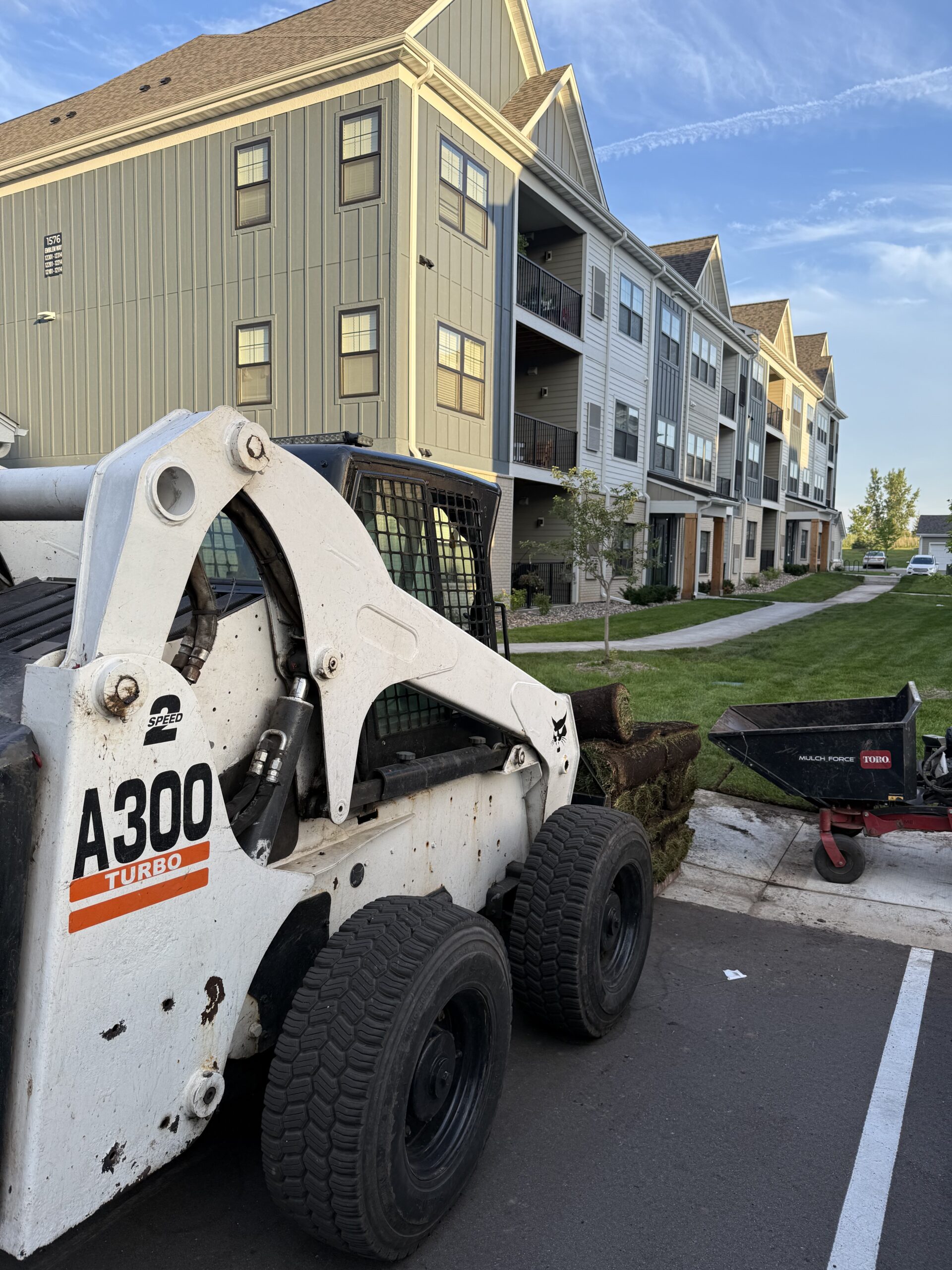
A common edge failure looks like this: the line starts clean in spring, then by mid-summer it has gaps, weeds creep across, and mower wheels start catching on the edge. Homeowners end up trimming around it every weekend or pulling weeds that keep returning.
From the install side, edging needs the right depth and a solid base so it doesn’t lift or shift. From the maintenance side, edging should be kept free of buried organic buildup that can create bridges where weeds grow.
Even if you already have edging, it can fail because the surrounding grading changed over time. Rain events settle soil. Plant growth shifts mulch depth. If your beds were expanded or if trees shed debris that accumulates against the edge, you can end up with a line that doesn’t function the way it used to.
When you treat edging as part of the landscaping design rather than an afterthought, you get a yard that stays sharp longer, not just right after install day.
Landscaping design installation Shakopee: what to get right during installation
Installation details are where longevity is won. A plant might look fine in the first season and then struggle two winters later if it was planted too deep, spaced incorrectly, or placed in a pocket that stays wet.
If you’re planning new work, it helps to ask how the installation addresses the basics:
Soil contact and planting depth matter. Roots need access to oxygen and moisture without sitting in a way that rots or heaves. Mulch depth matters too. Too little leaves soil exposed, too much can keep moisture trapped and reduce airflow around stems.
Spacing matters, especially for shrubs. Crowded plants become thin inside and prone to issues because airflow is limited. Over time, they can look like they’re “declining,” but the real cause is the original spacing decision.
Grading and drainage matter more than most people expect. Even beautiful beds can be short-lived if water runoff concentrates in one spot. I’ve worked on projects where a simple grading adjustment, paired with targeted planting choices, prevented repeated plant loss. Without drainage correction, replacement becomes a cycle.
Hardscape and transitions matter as well. If you add a walkway, a retaining edge, or small patio features, you want the water management and base preparation to match the rest of the yard. Otherwise, you’ll get settling, shifting, and weeds in the cracks, even when the materials are good.
What I look for in a solid installation plan
If a landscaping team is serious about long-term results, the process usually includes a few repeatable steps. You may not see every detail on the surface, but you should see consistent thinking behind them:
- Confirm drainage patterns and identify low or runoff-prone spots
- Match plant selection to sun, soil moisture, and mature size
- Prepare soil and install at correct depth, with proper spacing
- Set edging and bed lines with a stable base and clear transitions
- Coordinate lawn boundaries so beds and turf stay separated
That kind of structure is what turns “nice job” into “still looks good next year.”
Tree service in Shakopee: how trees fit into the landscaping plan
Trees can be the biggest asset in a Shakopee yard, but they can also create the toughest maintenance demands if the landscaping around them is an afterthought. A tree service in Shakopee can address hazards, but a true landscaping approach treats trees as part of the whole system.
Consider what trees change over time:
- Shade deepens as canopies mature
- Root systems expand and compete with turf and shrubs
- Leaves and organic debris alter bed cleanliness and soil moisture
- Branches shift and may interfere with walkways or rooflines
The best landscaping blends tree care with bed design. That can mean choosing shade-tolerant plants near tree trunks and adjusting bed depth so you’re not burying the wrong parts. It can also mean designing cleaner mulch rings that stay tidy and reduce mower damage at the base of the tree.
If you’ve had issues like lawn dying under a tree or repeated stump grinding cleanups that don’t translate into stable bed growth, you may need a more integrated plan. Tree work and landscaping work should inform each other, especially if you’re planting new areas or reshaping beds.
Safety is the other piece. If there’s any concern about dead branches or structural issues, the right tree service approach is not optional. Landscaping plans should never ignore the risk side, especially with larger trees near homes and property lines.
Maintenance that keeps things from slipping back
Even the best installation eventually needs attention. The goal is to reduce “catch-up” work and keep seasonal tasks predictable.
A consistent maintenance rhythm also protects your investment. If weeds are allowed to take hold, they create seed banks that are hard to eliminate later. If mulch gets thin, weeds and soil erosion take over. If pruning is delayed, plants can become leggy and harder to shape.
When maintenance is done well, the yard looks like it’s thriving, not just surviving.
A simple seasonal rhythm that works in Minnesota
You can tailor timing based on what your yard is doing, but most long-lasting landscaping follows a predictable rhythm. Here’s a practical example of how many Shakopee homeowners structure the year:
- spring: cleanup, bed refresh, and early corrections for edging lines
- early summer: mowing consistency, targeted weed control, and checking plant stress
- late summer: mulch topping where needed and watching irrigation or natural rainfall patterns
- fall: leaf management that protects turf and supports healthy bed conditions
- winter prep: protecting vulnerable plants and planning for spring improvements
If you’re paying for lawn mowing service Shakopee work, try to pair it with occasional seasonal bed checks. Often, the fastest visible improvement comes from catching bed issues early while they’re still small.
Common problems I see, and how to fix them without constant redoing
There’s a difference between a yard that needs maintenance and a yard that needs rework. Some issues can be corrected quickly. Others keep returning because the root cause was never addressed.
Here are a few patterns that show up frequently:
When a lawn is patchy, homeowners usually focus on seeding. Sometimes that’s correct, but often the issue is that the soil surface is compacted or that the area stays damp. If seed lands on a dense surface, it germinates poorly and fails again. Fixing compaction or adjusting drainage can make the same seed strategy work.
When shrubs don’t fill in, it’s easy to blame the plants. But it can be spacing, light, or watering practices at the time of installation. If a shrub was planted too close to a path edge or under the wrong light, it may always look sparse. The long-term fix might be shifting the planting plan or replacing with better-suited varieties.
When beds become weed patches, the culprit is often edging and mulch depth. If the edge allows grass to creep in, you’ll keep fighting it with pulled weeds. Installing or resetting landscape edging Shakopee MN correctly and refreshing mulch depth can reduce weed pressure dramatically.
And when tree roots or shade create lawn failure, you might keep trying to force turf into a place it cannot thrive. A better approach is to transition that area to plants that handle the conditions, then keep mowing and trimming where turf is actually workable.
These are not quick fixes every time, but they stop the cycle of replacing one problem with another.
How to choose the right landscaping service in Shakopee MN
You can judge a landscaping service by what happens after the “we can do that” conversation. A professional team should be able to talk about your yard like it has real constraints, not like it’s a blank canvas.
Look for these signs:
- They ask detailed questions about drainage, sun patterns, and how you use the yard.
- They talk about long-term plant spacing and mature growth, not just what looks good in year one.
- They discuss edging and transitions as part of the design, not an optional add-on.
- They coordinate lawn care and bed work so the yard improves cohesively.
- They treat tree service needs as a safety and planning topic, not just a separate transaction.
If you already know the general scope, still ask how they’d stage the project. A thoughtful staging plan matters. Ripping up beds and then leaving the site unfinished can create erosion and weed opportunities. The best teams sequence the work so your yard doesn’t become a mess while it waits for the next step.
Questions that often get to the truth fast
You don’t need a complicated interview, just clear questions. Here are a few that usually reveal whether a team thinks long-term:
- how will you evaluate drainage and soil before choosing plants?
- how do you set edging depth and bed boundaries so weeds stay down?
- what’s your approach to planting depth, spacing, and mulch application?
- will you coordinate with lawn mowing so transitions stay clean?
- how do you factor mature tree size and shade into the planting plan?
If you hear confident, specific answers grounded in site details, that’s a good sign.
Real outcomes you can expect from landscaping that lasts
When landscaping decisions are made for longevity, the yard changes in ways that are easy to feel. Instead of constant trimming, you get crisp edges that hold. Instead of sporadic plant losses, you get steadier growth. Instead of patchy turf that looks worse each month, you get a lawn that stays dense and even with consistent mowing and basic turf management.
You also get better resale curb appeal. Not because everything is new, but because the yard looks cared for in a natural way. The design reads as intentional. The maintenance requirements feel manageable instead of endless.
And that’s the heart of the promise behind a landscaping service in Shakopee MN. Landscaping that lasts is not just about durability. It’s about reducing friction. Fewer surprises. Less redoing. More “set it up right once.”
Bringing it all together for your property
If you want landscaping that lasts, the winning strategy is usually a combination of three things: a design that matches your site, installation that respects the details, and maintenance that keeps the system working.
Start by assessing what your property actually needs. If your lawn struggles, build turf health alongside bed improvements. If edges blur and weeds creep, treat edging as a structural part of https://jcjpropertymaintenance.com/ the landscaping, not cosmetic trimming. If trees create shade and root pressure, align planting choices with those realities and coordinate with tree service in Shakopee when appropriate.
Once those pieces fit together, lawn care Shakopee homeowners typically enjoy becomes straightforward, landscape edging Shakopee MN stays clean longer, and landscaping design installation Shakopee choices continue to look good instead of unraveling.
If you’re planning a refresh this season, take a close look at where your yard fails first. That’s where longevity is earned.
JCJ Landscaping and Snow Removal
7 West Travelers Trail, Unit 391, Burnsville, MN(55337)
(952) 649-6655
[email protected]
Website: https://jcjpropertymaintenance.com